Children’s Day is a special day to think about how important children are, and promote their rights and welfare. People all over the world celebrate UN World Children’s Day on November 20th, and in the UK, National Children’s Day takes place on the second Sunday in May. These days are opportunities to think about what we can do to help all children feel safe, and lead a happy and healthy life.
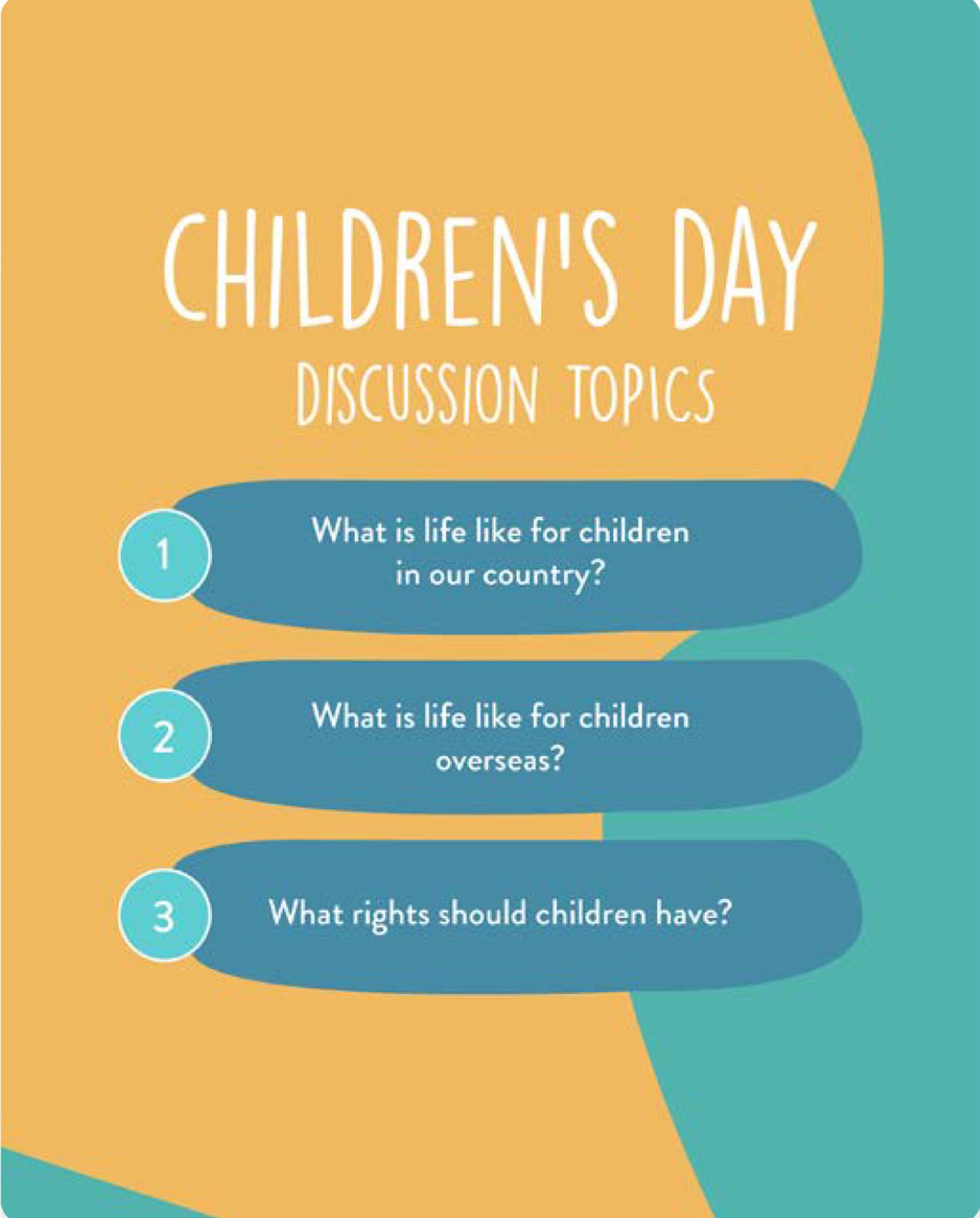
As Spid finds out in Spid the Spider Visits the Seven Wonders of the World, life isn’t the same in all countries. So here are some Children’s Day discussion prompts to help children think and talk about children’s lives — both here and in other parts of the world — and how we can make things fairer for everyone.
1. What is life like for children in our country?
Things to think about:
-
What do your days look and feel like?
-
What do you have to help you learn and grow?
-
What makes you feel safe and happy?
Spid says:
“In many Western countries, children usually go to school, have clean water, and can play safely. They might have toys, books, warm clothes, and food every day. There are doctors to help them when they’re sick, and they can say what they think. That’s not the case everywhere.”
2. What is life like for children overseas?
Things to think about:
-
What might be different for children living in places with war or poverty?
-
How might their school, home, or daily life look?
-
What do you think they would wish for?
Spid says:
“Some children in other parts of the world — like Africa, South America, or war-torn countries — might not go to school, have enough food, or feel safe. They may have to work instead of play. Some don’t have homes, clean water, or medicine. Life can be very hard — but they still dream, laugh, and hope.”
3: What rights should children have?
Things to think about:
-
What do you think all children need to grow up healthy and happy?
-
What’s fair and unfair?
-
Can you think of something all children should be able to do?
Spid says:
“Every child should have the right to be safe, to go to school, to be cared for and loved, to be healthy, and to have their voice heard. No matter where they live. That’s what World Children’s Day is about — making sure grown-ups listen, protect, and take action.”
UN Convention on the Rights of the Child (UNCRC)
Signed by 196 countries (as of 12 July 2022) this convention outlines the fundamental rights of every child, regardless of their race, religion or abilities.
These rights apply to every child and every child is entitled to claim them. The convention also explains how adults and governments must work together to make sure all children can enjoy all their rights. All rights are interlinked and of equal importance.
Every child has rights, without discrimination of any kind against the child, parent, or legal guardian (Article 2).
Every child has the right to:
- Relax and play (Article 31)
- Freedom of expression (Article 13)
- Be safe from violence (Article 19)
- An education (Article 28)
- Protection of identity (Article 8)
- Sufficient standard of living (Article 27)
- Know their rights (Article 42)
- Health and health services (Article 24)
Download our Children's Day Discussion Prompts